Thinking about life in Huntersville means thinking beyond a home search. You want to know what daily routines actually feel like, from getting around town to finding places to walk, play, or get out on the water. If you are considering a move to 28078, this guide will help you understand how Huntersville blends suburban space, outdoor access, and practical convenience. Let’s dive in.
Why Huntersville appeals to many buyers
Huntersville has the feel of a stable suburban community with room to grow. The town’s 2024 population estimate was 67,087, and it grew 9.3% from the 2020 base. It also had 25,055 households, with 71.7% owner-occupied housing and 85.7% of residents living in the same home one year earlier.
Those numbers point to a place where many people put down roots. Huntersville also reflects a professional, suburban lifestyle, with 24.2% of residents under 18, 57.5% of adults age 25 and older holding a bachelor’s degree or higher, and a median household income of $120,516. For many buyers, that adds up to a community that feels established, active, and future-focused.
Homes and neighborhood patterns
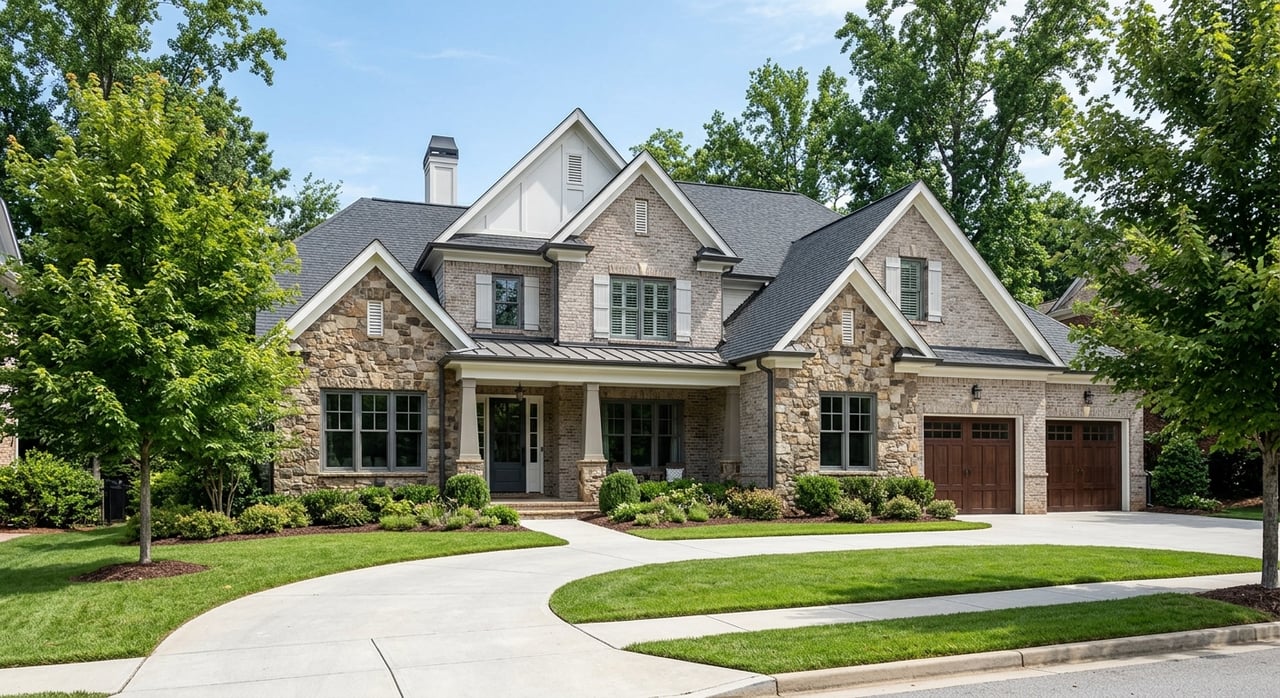
Huntersville does not read like a dense urban center. Instead, it feels more like a network of subdivisions, village-style hubs, and lake-oriented areas. That layout shapes how you experience everyday life, from errands to recreation to your commute.
North Mecklenburg had more than 48,000 housing units in 2023, and Huntersville accounted for 26,874 of them. It also had more housing units than Cornelius and Davidson combined, while remaining the least dense of the three towns.
A market led by single-family homes
Single-family detached homes are the dominant housing type in the area. In North Mecklenburg, about 67% of the housing stock is single-family detached, and Huntersville has the highest prevalence of single-family units in the area.
That matters if you want a more traditional suburban setting. Many subdivisions are made up of one or two housing types, which can create a consistent neighborhood feel from street to street.
Older areas and newer growth
Huntersville offers a mix of older in-town neighborhoods and newer edge-of-town development. The research highlights older areas east of I-77, including Pottstown and Walden.
Newer growth includes neighborhoods such as Farrington, Hollins Grove, Northbrook, Belleterre, Chapel Grove, Skybrook North, and Blackwood Knoll. This gives buyers a wide range of options depending on whether you prefer an established setting or a newer planned community.
What home size often looks like
Homes in North Mecklenburg tend to be fairly spacious. The average home size is 2,537 heated square feet, the median is 2,378 square feet, the typical home has 3 bedrooms, and more than 40% have 4 or more bedrooms.
Huntersville also includes some variation within that broader pattern. Smaller-home pockets include Pottstown and Holly Crest, while larger-home areas include Birkdale, Skybrook, Northstone Club, Vermillion, and lake-adjacent neighborhoods.
Parks and greenways in Huntersville
One of the biggest lifestyle advantages in Huntersville is how easy it is to connect with outdoor space. Mecklenburg County’s park system includes more than 290 parks and facilities across more than 23,000 acres.
The county also offers an extensive trail network, including 85.5 miles of greenway trails, 25.9 miles of greenway access trails, 30.4 miles of urban trails, 76.2 miles of nature preserve trails, and 225.5 miles of park trails. For you, that means outdoor recreation is part of daily life, not just a weekend plan.
The Vine downtown greenway
The Vine is Huntersville’s downtown greenway segment, and it brings a practical everyday benefit to the center of town. This 0.9-mile route runs from NC 115 across from Town Hall to Arahova Drive.
It connects downtown, Holbrook Park, Huntersville Elementary School, and the commercial corridor on US 21. That kind of connection can make short walks, casual exercise, and local outings feel more built into your routine.
Holbrook Park amenities
Holbrook Park adds more than open space along The Vine. The park includes pickleball courts, tennis courts, a shelter, restrooms, and a playground.
That mix makes it useful for different ages and activity levels. Whether you want a quick walk, a casual game, or a place to spend part of the afternoon, it supports a flexible lifestyle close to town services.
McDowell Creek Greenway access
Nearby greenway connections also matter in a suburban area. McDowell Creek Greenway runs 2.82 miles from Magnolia Estates Drive to Highway 73 at Birkdale Village, connecting Cornelius and Huntersville.
Mecklenburg County describes the greenway network as supporting recreation, transportation, fitness, and economic benefits. In practical terms, that means trails here are part of how people move around and enjoy the area, not just scenic extras.
Lake life and water access
Huntersville stands out for its access to the water. If being near boating, paddling, or lakeside recreation matters to you, this town offers more options than many suburban communities.
Blythe Landing Park
Blythe Landing Park is one of the area’s key access points to Lake Norman. Located on NC 73 in Huntersville, it features six boat ramps, 218 trailer spaces, a playground, picnic areas, and Lake Norman Community Sailing.
That setup supports both regular boaters and people who simply want easier access to the lake. It also adds another layer to everyday living, especially if weekends on the water are part of your ideal routine.
Latta Nature Preserve launches
For paddling and quieter outdoor time, Latta Nature Preserve offers access to Mountain Island Lake. It includes two canoe, kayak, and stand-up paddleboard launch points, including an accessible North Canoe Access platform.
This gives you a different kind of water experience from Lake Norman. Instead of a busy boating environment, you have a more nature-focused setting that can fit exercise, relaxation, or family outings.
Nature and indoor recreation options
Quest at Latta Nature Preserve adds an educational and family-friendly stop in Huntersville. It includes live native animals, a 3,000-square-foot interactive exhibit hall, a 6,000-gallon aquarium, and educational programs.
The David B. Waymer Recreation Center adds more indoor flexibility, with a gymnasium, stage, multipurpose rooms, a computer lab, and a catering kitchen. Together, these amenities support daily living in every season, not just when the weather is perfect.
Commutes and getting around
A town can have great homes and parks, but you still need daily movement to feel manageable. In Huntersville, the average travel time to work is 27.1 minutes, which places it in a practical range for many suburban households.
That commute profile can work well if you want more space without feeling too far removed from major employment areas. It also helps explain why Huntersville continues to attract buyers looking for a balance between comfort and access.
CATS Micro in northern Mecklenburg
CATS Micro gives northern Mecklenburg residents another way to get around. The service zone includes Huntersville, Davidson, and Cornelius north of I-485.
Rides are on demand, cost $2.20 per trip, and operate daily from 6 a.m. to 7 p.m. For some residents, that can be a helpful option for local trips, errands, or connecting with nearby destinations.
Bigger transit plans ahead
Longer-term transportation planning is also part of the Huntersville story. Charlotte’s capital plan includes a new Hambright Park and Ride at Hambright Road and I-77 to provide a quicker option into Charlotte using the I-77 Express Lanes.
CATS also says the planned Red Line commuter rail would connect the downtowns of Charlotte, Huntersville, Cornelius, and Davidson, with a possible extension to Mt. Mourne. While plans are not the same as current daily service, they still show ongoing investment in regional mobility.
Everyday living and local convenience
Lifestyle is not just about where you live. It is also about where you grab coffee, meet friends, take a walk, or spend an easy evening close to home.
In Huntersville, Birkdale Village is one of the clearest examples of that kind of everyday convenience. Built on a 52-acre former equine farm, it opened in 2003 with luxury multifamily above Main Street-style retail, office space, and a movie theater around a central town green.
Birkdale Village as a daily hub
Today, Birkdale Village continues to function as a mixed-use destination with built-in activity. Its events calendar includes recurring weekly yoga, kids’ playtime, and live music.
For residents, that creates an easy option for casual outings without needing to plan a full day around them. It adds a social and walkable layer to Huntersville’s otherwise suburban layout.
What daily life may feel like in Huntersville
If you are picturing life in Huntersville, think spacious neighborhoods, practical commutes, and easy access to parks and water. You may find older in-town streets, newer subdivisions at the edge of town, and mixed-use pockets that add variety to the landscape.
You also get a town where outdoor amenities are not an afterthought. Greenways, recreation centers, lake launches, and community gathering spots all contribute to a lifestyle that feels active but still grounded in suburban comfort.
If you want help exploring Huntersville with a local, practical lens, Grant Zaharis can help you compare neighborhoods, home styles, and day-to-day fit so you can move with confidence and purpose.
FAQs
What is the general lifestyle like in Huntersville, NC?
- Huntersville offers a suburban lifestyle with a stable residential base, a strong share of owner-occupied homes, relatively spacious housing, outdoor amenities, and practical access to commuting routes and local destinations.
What types of homes are common in Huntersville, NC?
- Single-family detached homes are the most common housing type in Huntersville, and many neighborhoods consist of one or two main housing styles with a traditional suburban layout.
Are there parks and trails in Huntersville, NC?
- Yes. Huntersville benefits from Mecklenburg County’s large park and trail system, including The Vine downtown greenway, Holbrook Park, and nearby access to McDowell Creek Greenway.
Is there lake access in Huntersville, NC?
- Yes. Huntersville offers water access through places like Blythe Landing Park on Lake Norman and launch points at Latta Nature Preserve on Mountain Island Lake.
What is the average commute time for Huntersville, NC residents?
- The mean travel time to work in Huntersville is 27.1 minutes, according to U.S. Census data.
Are there transit options in Huntersville, NC?
- Yes. CATS Micro serves Huntersville, Davidson, and Cornelius north of I-485 with on-demand rides daily from 6 a.m. to 7 p.m. for $2.20 per trip, and longer-term transit plans include the Hambright Park and Ride and the planned Red Line commuter rail.