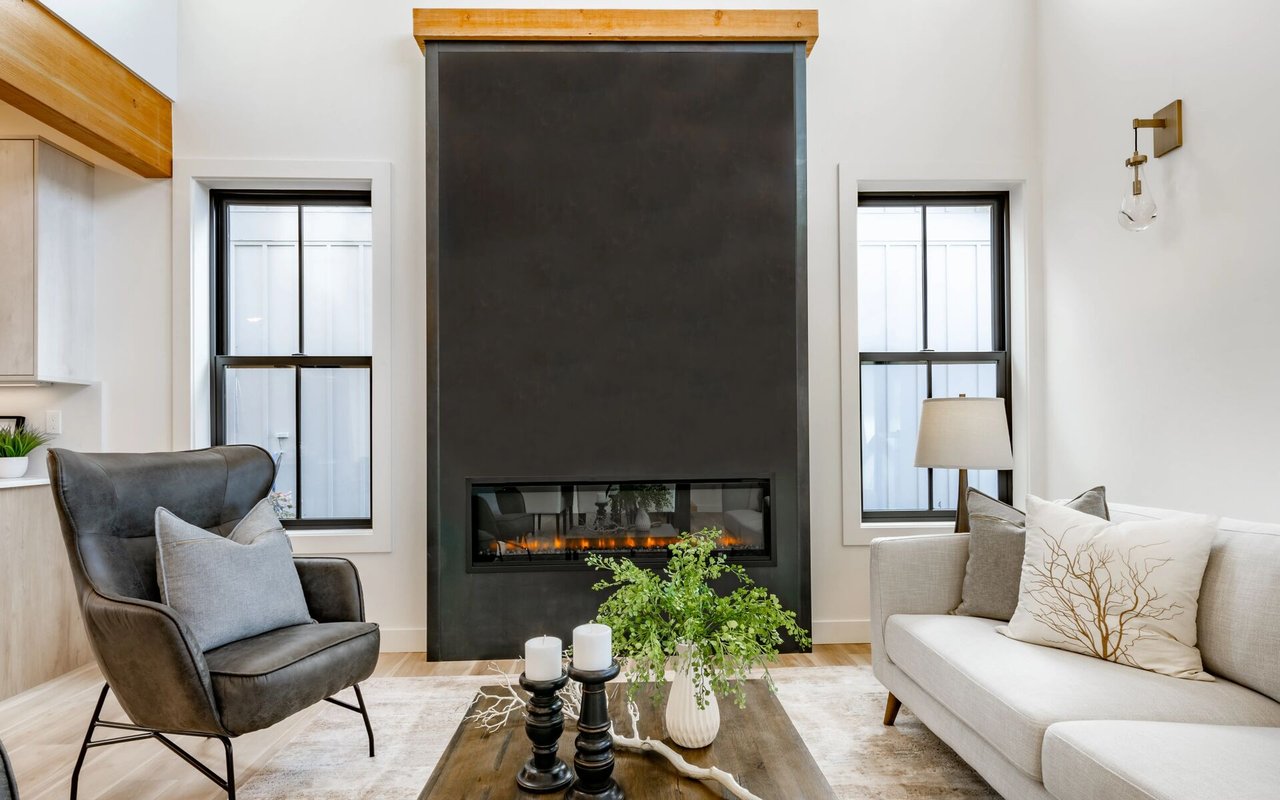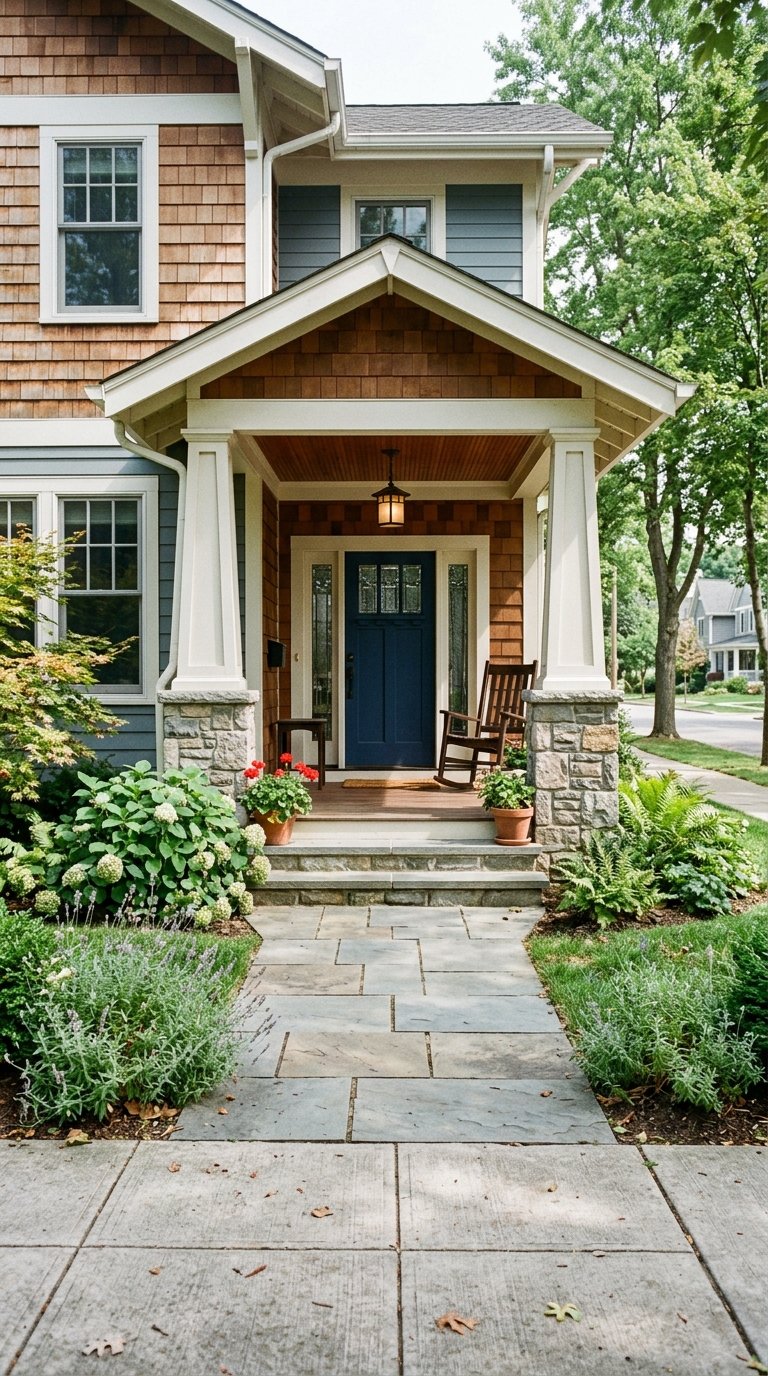
Trying to choose between Plaza Midwood and South End? You are not alone. Both Charlotte neighborhoods are close to the city core, walkable, and in demand, but they offer very different day-to-day experiences. If you are weighing charm against convenience, or historic homes against newer low-maintenance options, this guide will help you sort out which area fits your lifestyle and goals. Let’s dive in.
Plaza Midwood vs. South End at a Glance
If you want the simplest answer, here it is: Plaza Midwood leans toward character, older homes, and a neighborhood-commercial feel, while South End leans toward transit access, newer multifamily housing, and a more urban routine.
That difference shows up in everything from housing types to how you get around. Plaza Midwood traces back to Charlotte’s streetcar-suburb history, while South End has grown around rail access and transit-oriented development. Both are walkable, but they solve different problems for buyers.
Housing Styles and Ownership Options
Plaza Midwood homes feel varied and established
Plaza Midwood is known for a wide mix of older home styles. The City of Charlotte describes it as the city’s most varied local historic district, with housing that includes Victorian homes, bungalows, cottages, American Small House designs, and other mid-century properties.
If you want a home with architectural personality and a more established residential fabric, Plaza Midwood may stand out to you. You are more likely to find variety from block to block, which can appeal to buyers looking for something less uniform.
South End homes skew newer and lower maintenance
South End offers a different housing picture. Planning documents for the area focus on transit-oriented uses in the core, with more residential development around the edges, and the corridor includes many newer apartment buildings and townhomes.
For many buyers, that means a more streamlined ownership experience. If your goal is a newer property, less exterior upkeep, and easy access to rail and trail connections, South End may feel like the better match.
Market Snapshot in 2026
Plaza Midwood asks more from buyers
As of April 2026, Plaza Midwood had a median listing price of $927,500 and a median sold price of $830,000, with 32 homes for sale. That points to a neighborhood where ownership often comes with a higher price tag.
For buyers, this can mean balancing the appeal of older homes and location against a larger budget. If ownership is your priority and you value established housing stock, Plaza Midwood may still be worth the premium.
South End is more rental-heavy right now
South End’s April 2026 snapshot showed a median listing price of $610,000, but just 8 homes for sale and about 520 rentals. That smaller for-sale sample means price data can shift more easily based on a limited number of listings.
What stands out most is the housing mix. South End is currently much more rental-heavy, which supports its more urban, multifamily identity.
Both neighborhoods remain competitive
Current market data shows both Plaza Midwood and South End acting like sellers’ markets. In practical terms, that means you should expect competition in either location, especially if a home is well-positioned and priced appropriately.
This is where clear strategy matters. A neighborhood that fits your lifestyle is important, but so is understanding how inventory, pricing, and timing affect your options.
Walkability, Transit, and Getting Around
Plaza Midwood supports a walkable routine
Plaza Midwood is intentionally framed as a walkable ten-minute neighborhood. The area’s social district was designed in part to enhance pedestrian activity and walkability, and bus routes 3, 4, 9, and 23 serve the neighborhood.
If you like the idea of walking to coffee, shops, or dinner while still living in a more traditional neighborhood setting, Plaza Midwood offers that balance. Its closest current light rail station is about 1.25 miles away at Parkwood Avenue, so rail is less central to daily life here.
South End has the stronger rail advantage
South End clearly wins on transit access. CATS lists several Blue Line stations in and around the corridor, including New Bern, East/West, Bland, Carson, and Brooklyn Village, and the city is building a future South End Station with added pedestrian links and Rail Trail connections.
If you want to build your routine around light rail, walking, and biking, South End offers a more connected setup. That can be especially appealing if you want easier movement between home, Uptown, and other parts of Center City.
Parking feels different in each area
If you drive often, this is worth noting. Charlotte’s Park It program manages on-street parking in both South End and on Commonwealth Avenue in Plaza Midwood, but South End has the more intensive curb-management environment, with more than 1,800 metered spaces in its core.
That does not make one neighborhood better than the other. It simply reflects that South End functions more like a dense urban district, while Plaza Midwood feels more like a neighborhood with commercial pockets.
Green Space and Outdoor Feel
Plaza Midwood has parks and greenway access
Plaza Midwood offers a more traditional park mix. Local sources point to Midwood Park, Veterans Park, and access to the Briar Creek Greenway, including trail segments along the neighborhood’s edge.
That gives you more than one type of outdoor setting. You can enjoy residential blocks, neighborhood parks, and greenway segments depending on how you like to spend time outside.
South End centers outdoor life on the Rail Trail
In South End, the Charlotte Rail Trail is the main outdoor feature. The trail runs for 11 miles alongside the Blue Line, connects to 15 bike routes, and in some sections sees more than 2,000 users per day.
The city also describes the trail as an urban greenway lined in places with shops, restaurants, outdoor seating, and games. If your ideal outdoor space is active, social, and built into your daily route, South End may feel especially convenient.
Lifestyle and Daily Rhythm
Plaza Midwood feels neighborhood-first
Plaza Midwood is often a strong fit if you want a local-business atmosphere and a sense of neighborhood identity. The city identifies it as Charlotte’s first social district, and local organizations describe it as a destination for arts, fashion, cuisine, nightlife, coffee shops, breweries, and recurring events.
There is also practical convenience built in. The neighborhood guide notes a Harris Teeter at Central and The Plaza, which adds everyday utility to the area’s independent-business appeal.
South End feels more urban and transit-first
South End is better aligned with a denser, more urban routine. Planning documents describe it as a vibrant, pedestrian-oriented district organized around a multimodal corridor.
That matters if you are looking for newer multifamily housing, quick transit connections, and close ties to the broader employment and entertainment core of Center City. In South End, movement and convenience shape the experience as much as the housing itself.
Which Charlotte Neighborhood Fits You Best?
Choose Plaza Midwood if you want:
- Older homes with more architectural variety
- A more established residential feel
- Walkable local businesses and neighborhood events
- Access to parks and greenway segments
- A home purchase that prioritizes character
Choose South End if you want:
- Newer apartments or townhomes
- Stronger light rail access
- A lower-maintenance lifestyle
- Daily access to the Rail Trail
- A more urban live-work-play setup
Neither choice is one-size-fits-all. The better option is the one that fits how you actually want to live, move, and spend your time.
How to Compare the Two Smartly
When buyers tour these neighborhoods, it helps to look beyond listing photos. Pay attention to how the streets feel, how often you plan to drive, whether you want a yard or lower-maintenance living, and how much housing character matters to you.
It also helps to compare your budget to the type of inventory each area tends to offer. Plaza Midwood may ask more from you on the ownership side, while South End may give you a different value equation through newer housing and stronger transit access.
At Purpose Realty, we believe a home search should support both your practical needs and the kind of life you want to build in the community around you. If you are deciding between Plaza Midwood and South End, Grant Zaharis can help you weigh the tradeoffs, narrow your options, and move forward with clarity.
FAQs
Is Plaza Midwood or South End more expensive to buy in Charlotte?
- As of April 2026, Plaza Midwood had a higher median listing price at $927,500, while South End showed a median listing price of $610,000.
Is South End or Plaza Midwood better for light rail access?
- South End has stronger rail access, with multiple Blue Line stations in and around the corridor, while Plaza Midwood relies more on bus service and is about 1.25 miles from the nearest current light rail station.
Does Plaza Midwood or South End have more historic homes?
- Plaza Midwood has more historic and varied housing, including Victorian, bungalow, cottage, and American Small House styles.
Which Charlotte neighborhood has more rentals, South End or Plaza Midwood?
- South End is more rental-heavy right now, with about 520 rentals in the April 2026 market snapshot, compared with Plaza Midwood’s median rent data and more ownership-oriented housing pattern.
Is Plaza Midwood or South End better for walkability?
- Both are walkable, but in different ways. Plaza Midwood offers a neighborhood-centered walkable pattern, while South End is more transit-oriented and built around the Blue Line and Rail Trail.